Understanding Anxiety in Children and Young People
Interlude Hypnotherapy
Published: May, 2025
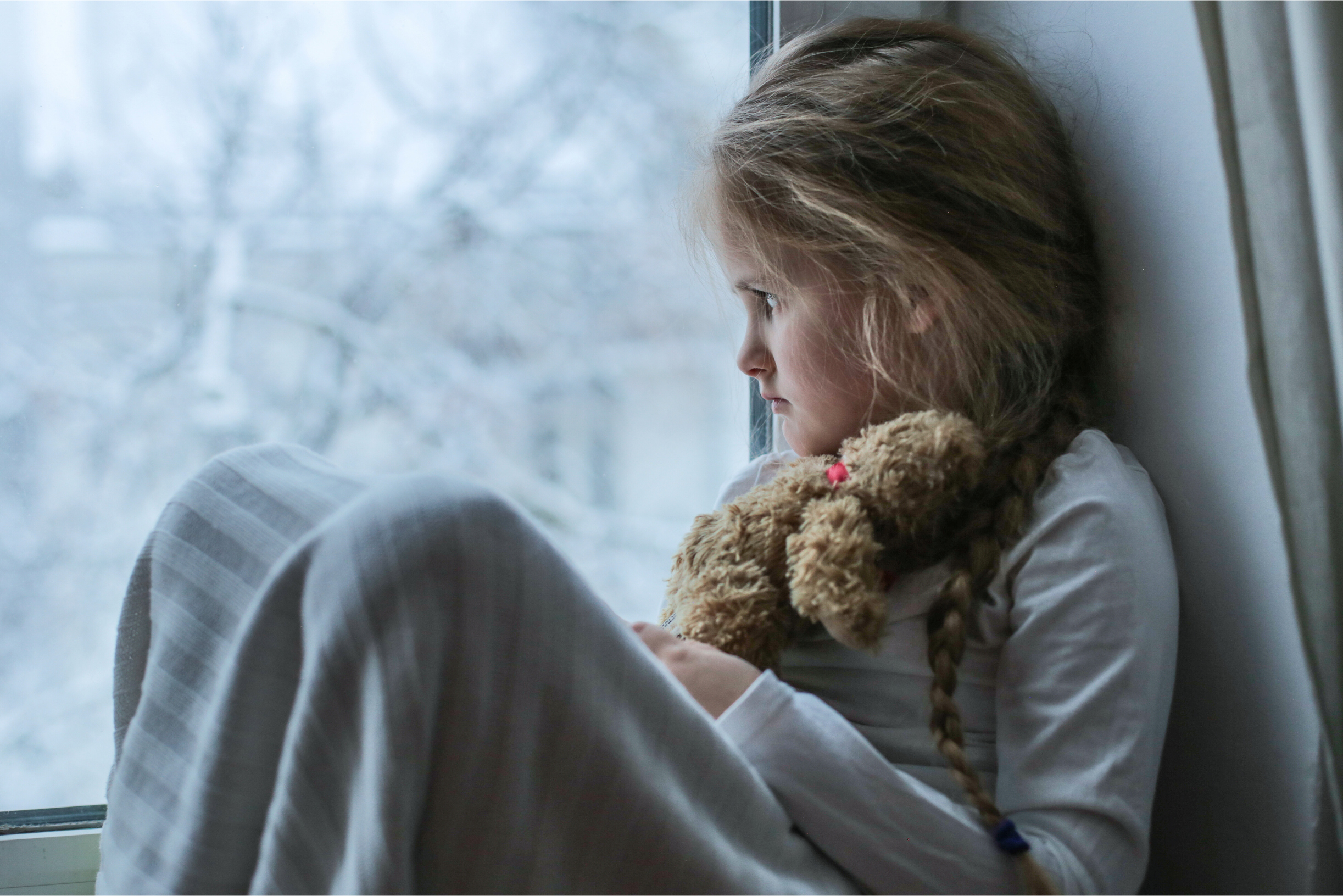
A staggering one in six children aged 5 to 16 in England are estimated to have a probable mental health condition, according to the NHS Digital Mental Health of Children and Young People in England report. Anxiety, one of the most common mental health challenges, is increasingly affecting young minds. Whether it stems from academic pressure, social expectations, or uncertainty about the future, anxiety can significantly disrupt a child’s ability to thrive.
But what exactly is anxiety, and how can we, as parents, caregivers, and professionals, help our children cope? Understanding this condition and taking proactive steps can make all the difference in supporting their emotional wellbeing.
What Is Anxiety and Why Does It Happen?
Anxiety is a natural response to stress or danger, triggering the body’s “fight or flight” mechanism. For children, however, anxiety can sometimes manifest in situations that aren’t inherently threatening, leading to persistent feelings of fear or worry. It may be tied to specific triggers, such as starting school or attending social events, or present as a generalised form of anxiety without an obvious cause.
For younger children, anxiety in children under 10 can sometimes also look different from what adults or teens experience. These younger age groups may become overly attached to caregivers or develop specific fears that feel all-encompassing.
What Causes Anxiety in Children?
Several factors can contribute to the development of anxiety in young people:
- Genetics and Biology: Children with a family history of anxiety disorders are more likely to experience it themselves due to inherited traits or shared environmental influences.
- Adverse Childhood Experiences (ACEs): Trauma such as parental divorce, loss of a loved one, or neglect can heighten feelings of insecurity and fear.
- Environmental Pressures: School demands, peer relationships, and bullying can all trigger anxiety. The increasing use of social media has also been linked to unrealistic comparisons and feelings of inadequacy. Social anxiety in children, for example, might develop if they feel excluded by friends or fear negative judgment in social settings.
- Transitions or Change: Events like moving to a new house, adjusting to a new sibling, or coping with global uncertainties (e.g., a pandemic) can create emotional upheaval.
- Sleep Challenges: Poor sleep patterns or recurring nightmares can lead to sleep anxiety in children, making it even tougher for them to relax or feel at ease during the day.
Recognising the Signs of Anxiety in Children
Children don’t always have the language to describe their emotions, so anxiety can often look different from what adults experience. Here are some common behavioural, emotional, and physical indicators:
Behavioural Signs:
- Avoiding certain places or activities (e.g., refusing to go to school or join sports)
- Clinginess or reluctance to be separated from parents
- Meltdowns over minor issues
Emotional Signs:
- Excessive worry about events or things beyond their control
- Heightened sensitivity to criticism
- Frequent feelings of distress, irritability, or sadness
Physical Signs:
- Complaints of stomachaches, headaches, or nausea
- Trouble sleeping or nightmares
- Sweating or trembling without a clear reason
Recognising these signs early is critical. The sooner intervention occurs, the more effectively anxiety can be managed.
How Anxiety Impacts Children
When left unaddressed, anxiety can hinder a child’s quality of life in significant ways. It may impair academic performance, limit social interactions, and diminish self-confidence, leaving children feeling isolated and unsupported. Over time, chronic anxiety can also heighten the risk of developing depression or other mental health conditions as they grow older.
However, it’s important to remember that anxiety is treatable. By building awareness and engaging in proactive support, we can empower children to manage their feelings and regain confidence in themselves.
How Parents and Caregivers Can Support Anxious Children
1. Create a Safe Space for Honest Conversations
Children need to feel that their feelings are heard and validated. Establish an open dialogue by encouraging them to talk about what’s troubling them. Use active listening techniques, such as reflecting their emotions back and letting them know it’s okay to feel how they do.
Simple prompts like “What’s been on your mind today?” can help start the conversation. If they struggle to articulate their feelings, drawing or play can serve as alternative outlets for expression. Being able to open up is a central part of knowing how to help children with anxiety.
2. Model Calm and Resilient Behaviour
Children often mirror how adults handle stress. By demonstrating healthy coping mechanisms, such as deep breathing or taking walks to clear your mind, you show them constructive ways to manage anxiety.
Additionally, avoid minimising their fears by saying, “There’s nothing to worry about.” Instead, acknowledge their feelings and discuss strategies to cope.
3. Teach Relaxation Techniques
Relaxation exercises are powerful tools for reducing anxiety. Here are a few ideas tailored for children:
- Breathing Exercises: Guide them to take slow, deep breaths, holding each for a count of three before exhaling.
- Progressive Muscle Relaxation: Ask them to tense and relax muscle groups one at a time, starting from their toes and working upwards.
- Mindfulness Activities: Focusing on the senses—for example, naming five things they can see, four they can touch, and so on—can help anchor them to the present moment.
4. Establish Routines and Boundaries
Consistency provides a sense of security, especially for children prone to anxiety. Regular bedtimes, meal schedules, and study periods create predictability in a world that may otherwise feel chaotic.
Additionally, setting reasonable limits on screen time is crucial. Aim for screen-free evenings and encourage activities that don’t involve digital devices, such as arts and crafts, sports, or reading together.
5. Promote Positivity and Problem-Solving Skills
Encourage children to focus on what they can control rather than what they can’t. Help them reframe negative thoughts into more constructive ones. For instance, if they’re anxious about a test, you might say, “It’s okay to be nervous, but remember you’ve studied hard, and you’re prepared.”
Use problem-solving as a tool by brainstorming solutions when challenges arise, empowering them to tackle obstacles proactively.
6. Seek Professional Help When Needed
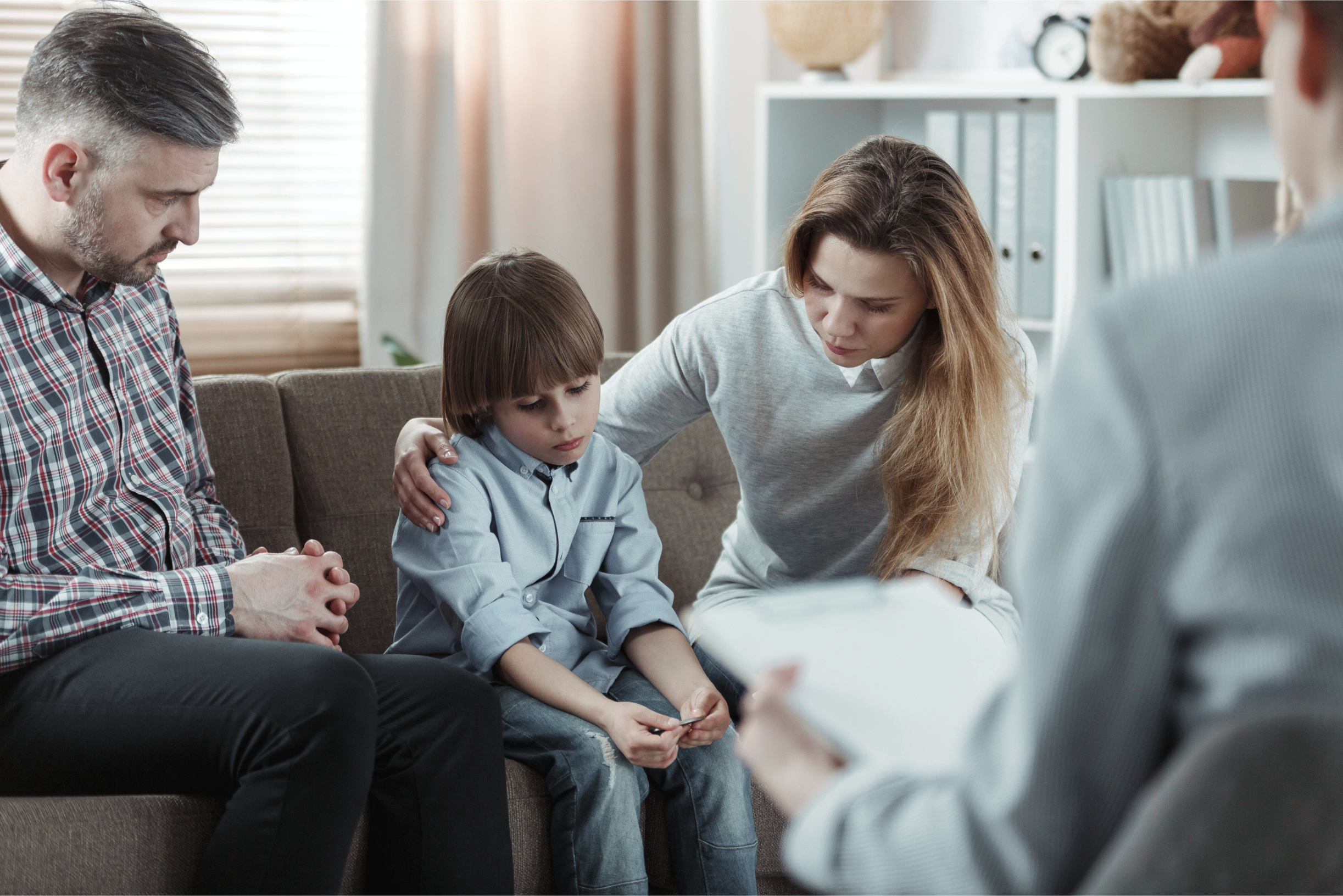
If anxiety persists or worsens, seeking help from professionals such as therapists, counsellors, or hypnotherapists can make a meaningful difference. Sessions tailored to children can help them understand and process their emotions in a safe, supportive environment.
For example, treatment methods such as hypnotherapy or cognitive-behavioural therapy are shown to be effective when addressing what causes anxiety in children and helping them adopt new ways of thinking.
Ending on a Positive Note
The complexities of anxiety can feel overwhelming—for both children and those supporting them. However, through understanding, communication, and practical action, we can help children reclaim their sense of calm and confidence.
Every step we take, no matter how small, plays a role in fostering their emotional growth. Whether it’s a kind word of reassurance, a daily breathing exercise, or reaching out to professionals for additional support, even the simplest actions can have profound effects on a child’s wellbeing.
Remember, no child has to face anxiety alone. Together, we can create an environment where they feel seen, supported, and uplifted, ensuring that their tomorrow is brighter than their fears today.