

Stress Awareness Month | Understanding & Managing Stress
Interlude Hypnotherapy

Published: April, 2026
Let us start with a simple truth: if you are feeling overwhelmed right now, you are not alone, and you are not failing. Stress is a deeply human experience, but it is also one that can quietly take over your life, leaving you feeling exhausted, disconnected, and unsure of how to find your way back to calm.
April is Stress Awareness Month in the UK, a time dedicated to opening up conversations about our mental well-being. Whether you are observing April Stress Awareness Month or looking for support during National Stress Awareness Week (6th–12th April), the goal is the same: to understand what stress is doing to your mind and body, and to discover practical, gentle ways to manage it.
As a clinical hypnotherapist with over 25 years of experience, I see people every day who have been carrying the heavy burden of stress for far too long. They often sit in my therapy room…..or join me online….And ask, Why do I feel like this?
This pillar page is designed to answer that question. It is a comprehensive, A–Z guide to understanding stress, recognising its signs, and learning how to reclaim your peace of mind. We will explore everything from the physical symptoms of burnout to how your relationships are affected, and how therapies like clinical hypnotherapy can help.
What is Stress?
People often ask, what is stress? To define the term stress simply, it is your body’s natural reaction to feeling threatened, pressured, or overwhelmed. When you encounter a stressful situation, your brain triggers a biological cascade known as the fight or flight response. Your nervous system floods your body with hormones like cortisol and adrenaline, preparing you to either tackle the danger or run away from it.
In short bursts, this reaction is helpful. It gives you the energy to meet a tight deadline or brake suddenly in traffic. But what happens when that “danger” is a constant stream of emails, financial worries, or an ongoing family conflict? When stress becomes chronic, your nervous system forgets how to switch off.
The Psychology of Stress and Anxiety
Stress and anxiety are closely linked, but they are not exactly the same. Stress is usually a response to an external trigger, while anxiety is often characterized by persistent, excessive worries that don’t go away even when the stressor is removed. To explore the deeper mental patterns that keep us stuck in a state of worry, read our full article on The Psychology of Stress and Anxiety.
Common Causes of Stress
The causes of stress are as unique as you are. What feels manageable to one person might feel entirely overwhelming to another. Common psychological stressors and external triggers include:
- Workplace pressure and long hours
- Financial difficulties
- Relationship breakdowns or family tension
- Health concerns
- Major life changes (even positive ones, like moving house)
Signs and Symptoms
Many of my clients do not realise they are stressed until their bodies force them to pay attention. They ask, “can stress make you feel sick?” or “does stress cause aches and pains?” The answer is a resounding yes. The physical impact of stress is profound.
The Physical Symptoms of Long-Term Stress
When cortisol and adrenaline constantly course through your veins, your body takes a hit. Symptoms of stress on the body can include:
- Mental exhaustion and fatigue: Feeling drained, no matter how much you sleep. (Read more about how these two are connected in our guide to Stress and Sleep).
- Digestive issues: Nausea, stomach cramps, or conditions like IBS.
- Muscle tension: Jaw clenching, headaches, and unexplained body aches.
- Changes in weight: Some people experience weight loss due to stress, while others may gain weight.
- Weakened immune system: You might find yourself catching every cold going, asking yourself, does stress make you ill?
If you are experiencing these physical warning signs, it is vital to listen to your body. For a deeper dive into the health consequences of chronic tension, explore our dedicated cluster article: Is Stress Making You Ill? Understanding the Physical Impact.
How Stress Shows Up in Daily Life
Stress rarely stays confined to one area of your life. It spills over into your work, your home, and your personal goals. Recognising how stress manifests in specific situations is the first step toward managing it.
Workplace Stress and Burnout
Work-related stress is one of the most common reasons people seek my help. From tight deadlines to difficult colleagues, the pressure can quickly lead to what the NHS defines as burnout….A state of physical and emotional exhaustion. If you are struggling at work, there are practical steps you can take. Explore Stress Management Techniques for Employees to learn how to find balance. For a deeper understanding of changing your career dynamic, read our cluster piece on Breaking Free from Workplace Stress and Burnout.
The Impact on Relationships
When our stress levels are high, our patience is low. We might snap at our partners, withdraw from our friends, or feel completely misunderstood. Stress changes how we communicate and connect. To understand these dynamics and learn how to repair the emotional bridges with your loved ones, read How Stress Impacts Your Relationships & How to Fix It.
Stress in Children and Young People
It is heartbreaking to watch a child struggle with anxiety. Children experience the same fight or flight hormones we do, but they often lack the vocabulary to explain it. If you have noticed changes in your child’s behaviour, sleep, or mood, discover gentle, effective ways to support them in our article: How to Help a Child with Stress and Anxiety.
Specific Stress Triggers
Sometimes, stress is tied to very specific events or tasks. For instance, getting behind the wheel can cause severe panic for some. If this sounds familiar, my guide on Anxiety and Driving Lessons: Overcome Stress & Pass Confidently can help you regain control.
Similarly, times of year that are “supposed” to be joyful can carry an immense emotional load. The pressure to create the perfect festive season often leads to profound overwhelm. Learn how to protect your peace in Managing Holiday Stress with Hypnotherapy.
The Mind-Body Connection
You cannot separate what happens in your mind from what happens in your body. This mind-body connection is at the very core of how we experience and heal from stress. When you learn to calm the mind, the body’s nervous system naturally follows suit, moving from a state of “fight or flight” to “rest and digest”.
Regulating your nervous system is crucial. Techniques like deep breathing, mindfulness, and gentle movement help signal to your brain that you are safe. We explore this fascinating relationship in detail in our article, The Mind-Body Connection to Stress.
How to Manage Stress
Awareness is important, but action is where transformation happens. You do not have to overhaul your entire life to feel better. Small, consistent changes can make a massive difference to your stress container.
If you are wondering how to deal with burnout or how to relieve stress, start with the basics:
- Acknowledge the feeling: Simply saying “I am overwhelmed” can reduce the power the emotion has over you.
- Focus on the breath: Slow, deep nasal breathing physically lowers your heart rate and blood pressure.
- Create a routine: Structure provides safety for an anxious mind.
If you are looking for a structured, manageable way to start feeling better today, try following my Stress Management in Sheffield: A 7-Day Plan. It breaks recovery down into tiny, actionable daily steps.
Additionally, bringing community awareness to these issues is vital. Read more about local initiatives in National Stress Awareness Day Sheffield: Stress Relief That Actually Works.
Clinical Hypnotherapy, CBT, and NLP
Sometimes, despite our best efforts with bubble baths and early bedtimes, the stress remains. The subconscious thought patterns keeping you on high alert are deeply ingrained. This is where professional, compassionate therapy steps in.
As a clinical hypnotherapist, I use a blend of Solution-Focused Hypnotherapy, Cognitive Behavioural Therapy (CBT), and Neuro-Linguistic Programming (NLP).
- Solution-Focused Hypnotherapy: Rather than digging endlessly into past traumas, we focus on your preferred future. Using guided relaxation (trance), we bypass the critical conscious mind to help your subconscious adopt calmer, more helpful responses to stress. Find out more about this specific approach in Hypnotherapy for Stress.
- CBT: This helps you identify and gently challenge the negative thought loops that fuel your anxiety.
- NLP: This provides practical tools to change how you perceive and react to your environment, helping you build unshakeable confidence.
These therapies are not about losing control; they are about taking it back. You remain entirely aware, safe, and empowered throughout the process.
You Don’t Have to Do It Alone
Living with chronic stress and mental exhaustion is incredibly draining, but it does not have to be your permanent reality. Whether we meet one-to-one in Sheffield or work together online, my goal is to provide a safe, non-judgemental space where you can finally set down the heavy load you have been carrying.
Many of my clients say, “I only wish I’d started sooner.” If you’re wondering whether this is right for you, trust that positive change is possible. You already have the resilience within you; sometimes, you just need a little compassionate guidance to help you find it again.
About the Author: Farah-Naz Khan
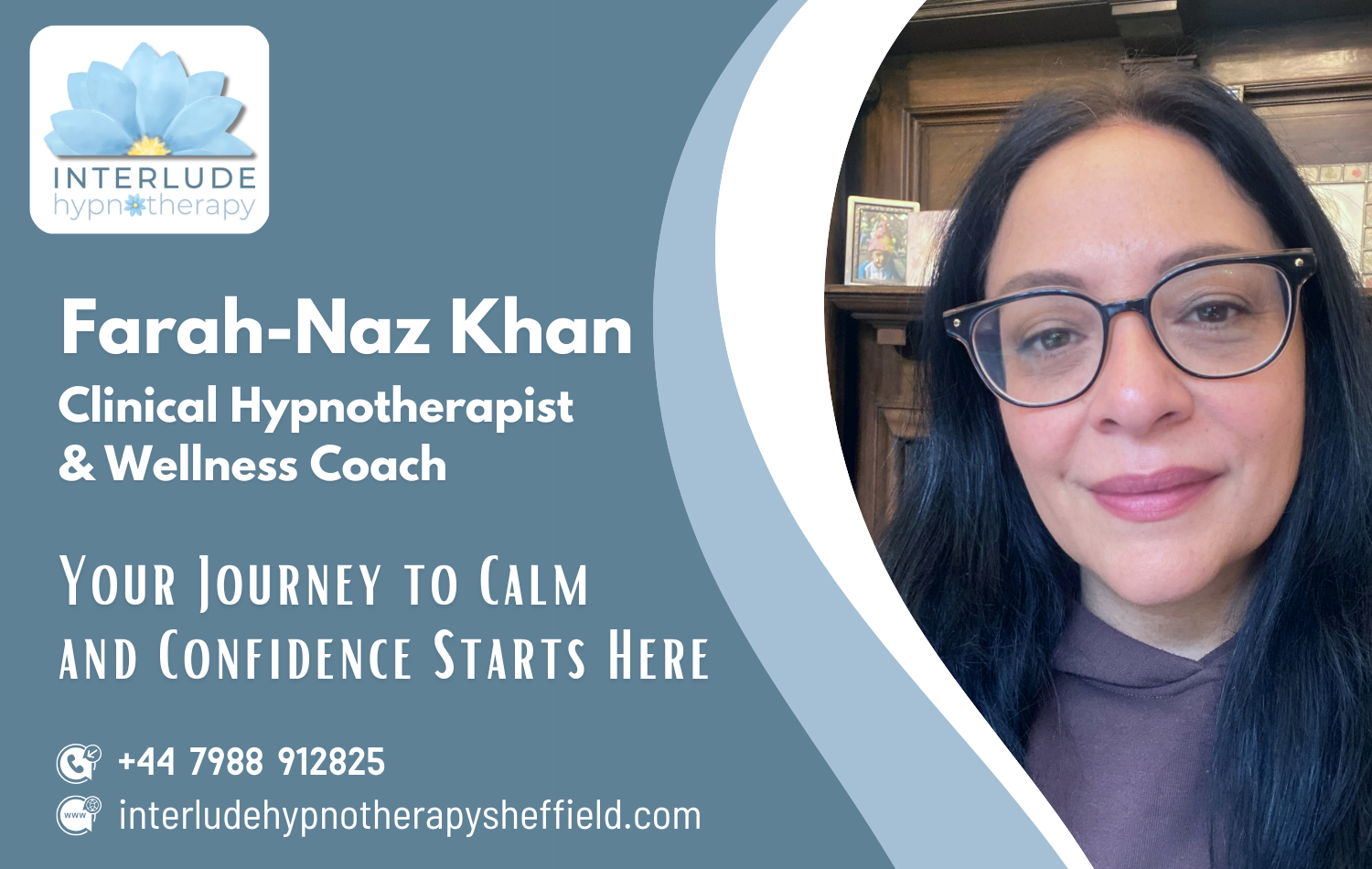
I’m Farah-Naz Khan. As a Trauma-Informed Clinical Hypnotherapist with over 25 years of experience in holistic wellness, I understand that true transformation starts from within. My approach combines solution-focused hypnotherapy with gentle mind-body techniques to support anxiety, trauma, and the deeper patterns that may be holding you back.
Most challenges are shaped by subconscious beliefs and habits….Often hidden but powerful. With compassionate support, we’ll work together to release old patterns, restore your natural resilience, and help you reclaim calm, clarity, and confidence. I help clients overcome challenges through Clinical Hypnotherapy, Psychotherapy, CBT, and NLP techniques, available both one-to-one in Sheffield and online.
★★★★★ Rated 5 Stars on Google | Over 65+ Verified Reviews
Take the first step today. Book your consultation.


